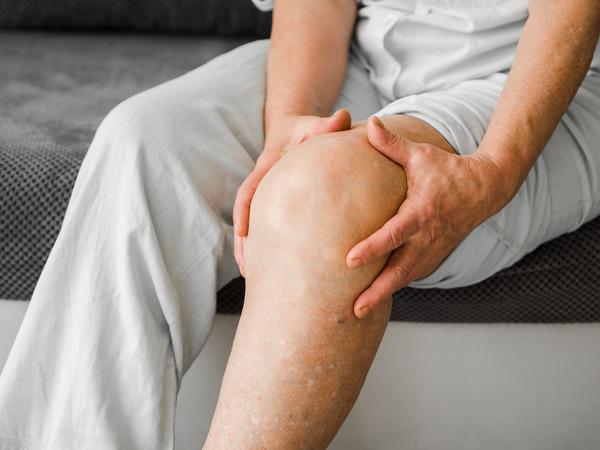

Severe knee pain often changes routine habits slowly. Many people begin avoiding stairs, long walks, family outings, or standing for extended periods without realizing how much knee damage has progressed internally. In Punjabi Bagh, knee arthritis and joint degeneration are increasingly common among elderly individuals as well as middle-aged adults with active lifestyles.
Total knee replacement surgery is generally considered when the knee joint becomes severely damaged and conservative treatments stop providing meaningful relief. The procedure focuses on replacing worn-out joint surfaces to improve movement and reduce chronic pain. However, surgery is only one part of the overall recovery journey. Rehabilitation, mobility exercises, and guided post-operative care remain equally important.
One reason patients hesitate is fear of recovery or uncertainty about long-term results. But modern orthopedic advancements have made joint replacement procedures more structured and recovery-focused than before. Many patients are now able to regain walking confidence and return to everyday activities with proper orthopedic guidance and rehabilitation support.
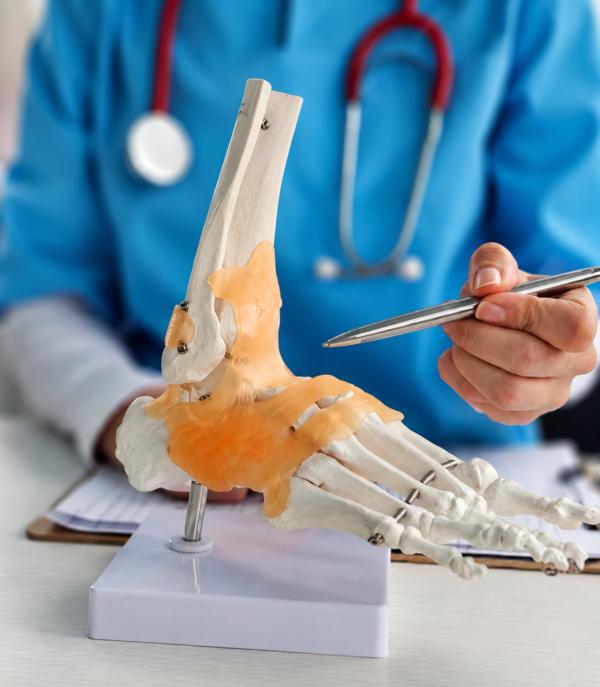
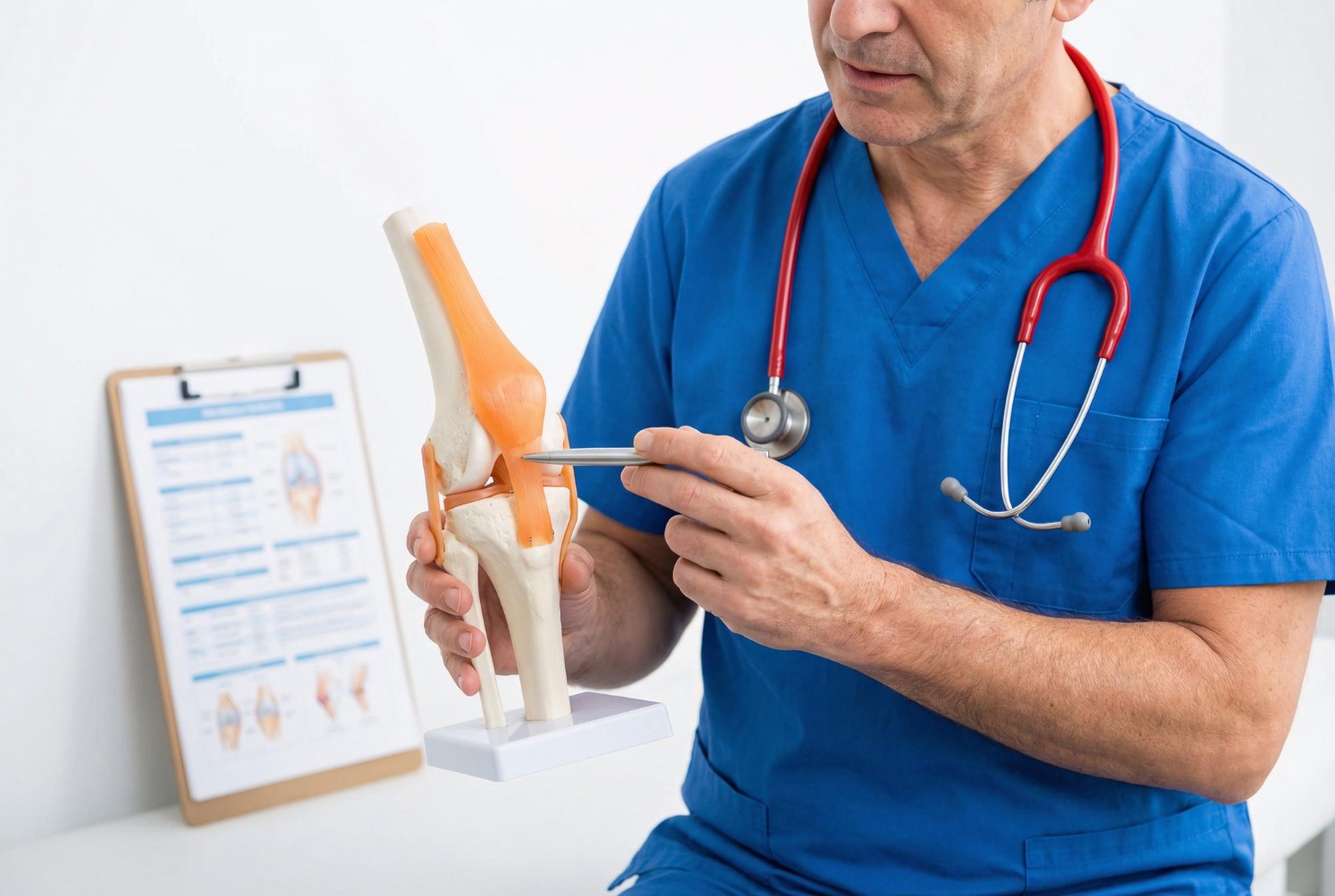
Understanding the anatomy of the knee joint also helps patients make informed decisions. Knee pain is not always caused by aging alone. Ligament injuries, obesity, previous trauma, or long-term wear and tear may also contribute to worsening arthritis and reduced joint flexibility.
evaluates knee mobility conditions carefully and helps patients understand suitable treatment options based on joint condition, movement limitations, and lifestyle requirements.
If chronic knee pain has started affecting mobility and comfort in Punjabi Bagh, an orthopedic consultation may help identify the right path toward long-term joint support and improved movement.